
SSL certificates importance is indiscussed and is more than a padlock icon: they encrypt data in transit, help browsers verify your domain, and support SEO by aligning your site with modern trust signals. In this guide, you’ll learn what SSL certificates do, how HTTPS affects search visibility, which certificate types fit common website setups, and which fixes matter most if your current implementation is hurting trust or traffic.
Key Takeaways
- HTTPS protects logins, forms, and checkout data from interception.
- Search engines and browsers favor secure, well-configured sites over HTTP pages.
- The certificate itself matters less than a clean implementation: redirects, renewals, and no mixed content.
What does an SSL certificate actually do for your website?
An SSL certificate is a digital document that proves a site controls a domain and enables encrypted communication with visitors. In practice, modern websites use TLS, not the older SSL protocol, but the term SSL certificate is still the one most people search for and use in conversation.
When a browser connects to your site over HTTPS, the certificate helps establish trust during the TLS handshake. That handshake verifies the server identity, negotiates encryption, and creates a secure channel so passwords, payment details, and form submissions are much harder to intercept or alter.
It is important to separate the certificate from the encryption itself. The certificate is the identity and trust layer; TLS is the protocol that protects the data. Without both pieces working together, users can still see warnings, and search engines can still treat the experience as technically weaker than a secure, consistent HTTPS setup.
Why the padlock is only part of the story
The visible padlock is a shorthand for security, but the real value is broader. A valid certificate, correct redirects, and clean page resources all signal that the site is maintained with care.
If one of those pieces breaks, users may see browser warnings, checkout friction, or mixed-content errors. Those issues do not just affect security; they reduce confidence at the exact moment a visitor is deciding whether to stay, submit a form, or buy.
Why do visitors trust HTTPS websites more?
Trust is rarely built by one signal alone, but HTTPS is one of the clearest technical trust markers a website can show. When users see a secure connection, they are less likely to worry about credential theft, payment interception, or identity spoofing.
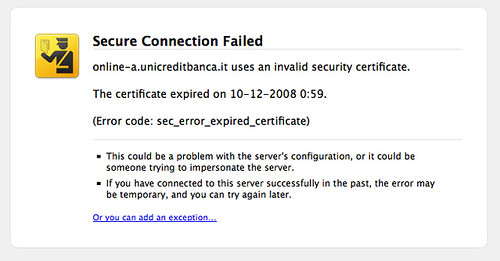
That matters most on pages where users share something valuable: logins, lead forms, checkout steps, account dashboards, and support portals. A missing certificate, expired certificate, or mixed-content warning can create instant hesitation, even when the rest of the design looks polished.
For ecommerce, SaaS, healthcare, finance, and any brand collecting personal data, HTTPS is part of the baseline experience. It does not guarantee trust on its own, but it removes one of the biggest technical reasons for doubt.
How browser behavior shapes perception
Browsers have become more aggressive about warning users when a site is not secure. That means the cost of staying on HTTP is no longer hidden in the background; it is visible in the address bar, in form warnings, and sometimes in blocked resources.
From a user’s perspective, the difference is simple: a secure site feels current and maintained, while an insecure one feels unfinished or risky. That perception directly affects bounce rate, form completion, and the likelihood of returning later.
How does SSL support SEO in 2026?
HTTPS does not magically push a weak page to the top of search results, but it is still a meaningful SEO requirement. Google has long treated HTTPS as a lightweight ranking signal, and its current guidance continues to recommend secure delivery for all pages, not just checkout or login flows. See Google Search Central’s HTTPS guidance for the official recommendation.
That recommendation matters because search engines aim to surface pages that are both relevant and safe to access. When a website remains on HTTP, or when secure pages are inconsistently implemented, it can send the wrong technical signals to crawlers and users at the same time.
In 2026, the SEO value of HTTPS is often indirect but still important. Secure sites are easier to trust, easier to link to, and less likely to suffer from browser friction that harms engagement. Those downstream effects can influence clicks, conversions, and the overall quality of search traffic.
Where HTTPS helps search performance indirectly
HTTPS can support modern web performance, which is useful for both users and search visibility. Encrypted connections are the standard path for HTTP/2 and HTTP/3, which can improve loading behavior and reduce friction on slower connections or mobile devices.
HTTPS also helps maintain cleaner canonical signals when every version of the site resolves consistently to one secure URL. That reduces duplication, limits redirect confusion, and makes it easier for crawlers to interpret the preferred page.
Which SSL setup is best for most sites?
For most small and mid-sized websites, a domain validated certificate is enough. It confirms control of the domain and enables encryption, which is what most content sites, blogs, and standard business pages need.
Organizations that handle higher-stakes transactions or have formal procurement requirements may prefer organization validated certificates. Extended validation certificates still exist, but they are no longer a shortcut to rankings or a visible trust boost in the way many teams once assumed.
DV, OV, and EV certificates
DV certificates are usually the fastest and simplest to deploy. They are ideal when your main goal is secure transport, a valid padlock, and a low-maintenance setup.
OV certificates verify the organization behind the domain, which can be helpful for businesses that want an additional layer of identity assurance. EV certificates add more paperwork, but in modern browsers they do not deliver the dramatic visual treatment they once did, so the business case should be based on policy and governance, not SEO.
When a wildcard certificate makes sense
A wildcard certificate is useful when you manage many subdomains under the same root domain, such as blog, app, help, or shop. It simplifies administration and can reduce renewal overhead.
That convenience is valuable, but it also increases the importance of key management. If one private key is mishandled, a broader slice of the environment can be affected.
When a multi-domain certificate is the better option
If you operate separate brands or distinct domains under one security policy, a multi-domain certificate may be more practical. It lets teams centralize renewals while covering several properties.
The right choice is the one that matches your domain structure, internal ownership, and renewal process. The best certificate is not the most expensive one; it is the one you can maintain without errors.
What implementation mistakes can hurt trust and rankings?
Most SSL problems are not caused by the certificate itself. They come from poor implementation: expired renewals, incomplete redirects, mixed content, or internal links that still point to HTTP versions of pages.
Mixed content is especially damaging because the page may be delivered securely while key assets, such as scripts, images, or stylesheets, are still loaded insecurely. That can trigger browser warnings, break functionality, and lower user confidence in a single visit.
Redirect chains are another common issue. If a user or crawler must pass through multiple hops before reaching the final HTTPS URL, the site wastes crawl efficiency and may slow the page enough to affect the experience.
Common technical pitfalls to watch
Start by checking whether every variant of your site resolves to one canonical secure address. That includes www and non-www versions, trailing slash consistency, and any old URLs that may still be indexed or linked from internal pages.
Next, make sure canonical tags, hreflang annotations, XML sitemaps, and structured data all reference HTTPS URLs. If these signals are split between protocols, search engines may need extra time to reconcile the preferred version.
Finally, keep an eye on certificate renewal. Automatic renewal is now the standard expectation for many teams, because a single expired certificate can create a hard failure that interrupts both trust and traffic until it is fixed.
How do you verify that SSL is working correctly?
A proper SSL check is not just about seeing a padlock once in a browser. You need to verify the full chain: certificate validity, redirect behavior, mixed-content status, and whether all important URLs resolve to the secure version.
Begin with your homepage, then test the templates that matter most to revenue and lead generation. Product pages, category pages, blog posts, forms, checkout pages, and account pages should all load consistently over HTTPS with no warnings and no duplicate indexable HTTP versions.
A practical audit checklist
Confirm that the certificate is valid, trusted by major browsers, and set to renew automatically. Then test whether every HTTP request receives a clean permanent redirect to the matching HTTPS URL.
Review your site for mixed content by checking scripts, fonts, images, and third-party embeds. If a browser has to block or downgrade a resource, that is a sign the page still has unfinished security work.
After that, inspect your indexable signals. Your sitemap, internal links, canonicals, and structured data should all point to HTTPS so crawlers receive one clear version of each page.
What should you fix first if your site is still on HTTP?
If you are planning a migration or cleaning up an old deployment, prioritize the pages that influence trust and revenue first. Login screens, contact forms, checkout pages, and top landing pages should be moved to HTTPS before less critical sections.
Then update the sitewide technical signals that search engines use to understand your preferred version. That means redirects, canonicals, sitemaps, internal links, and any hardcoded resources that still point to HTTP.
The safest next step is to treat SSL as part of ongoing site maintenance, not a one-time launch task. Audit the certificate, confirm every important page resolves cleanly over HTTPS, and keep monitoring for mixed content or renewal issues so trust and SEO remain protected as your site grows.
Leave a Reply